A Foodie's Journey Through LA: Best Restaurants, Food Trucks, and Local Eateries
Why Los Angeles Is a Food Lover's Paradise
Los Angeles is one of the most exciting food cities in the world — not because of Michelin stars, but because of its sheer, unfiltered diversity. Nowhere else in the United States will you eat a perfect al pastor taco at midnight, grab Korean BBQ at 2am, then wake up to Vietnamese pho in a strip mall that's been serving the same recipe for 30 years.
The LA food scene is a direct reflection of the city itself: layered, multicultural, and impossible to pin down. Over 140 languages are spoken in Los Angeles County, and that cultural richness shows up on every block. Mexican, Japanese, Ethiopian, Persian, Armenian, Thai — these aren't "ethnic restaurants" in the tourist-brochure sense. They're neighborhood institutions built by immigrant communities who brought their culinary traditions and made them Angeleno.
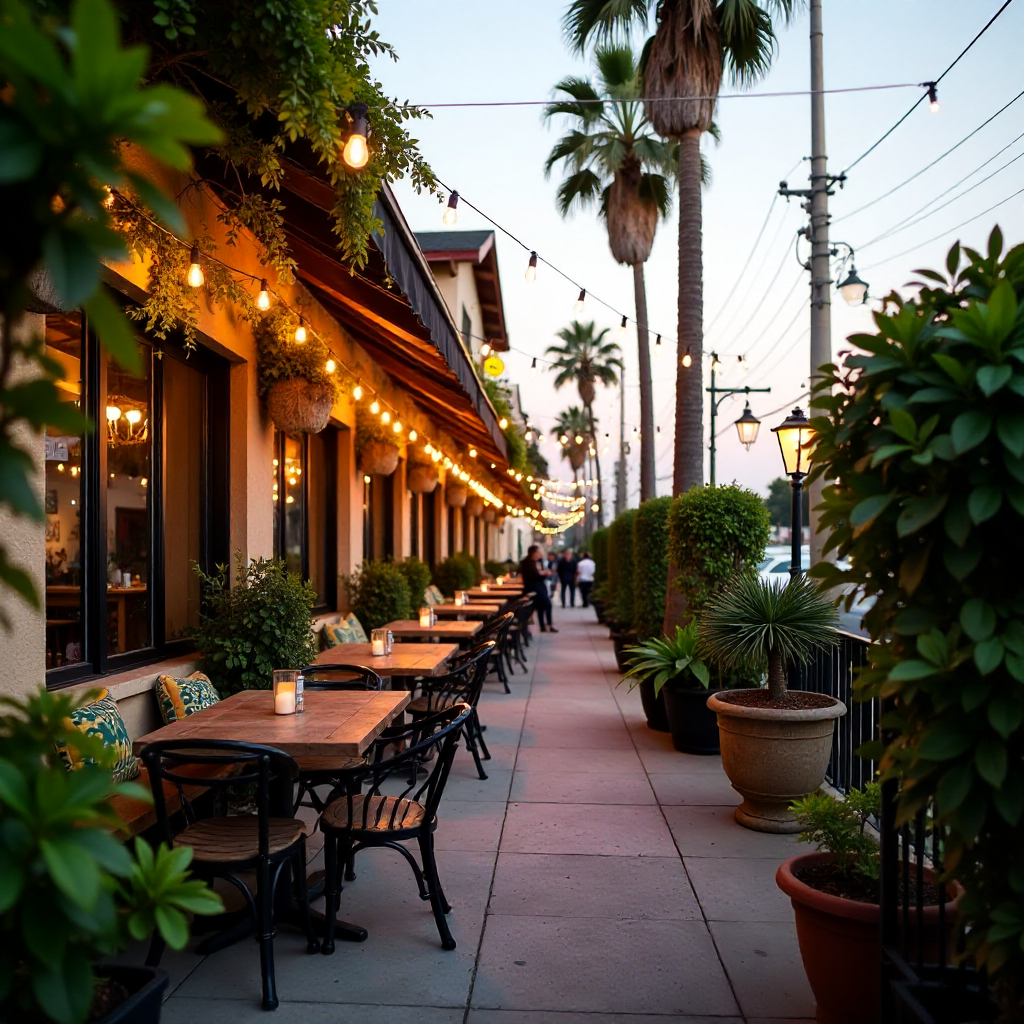
What also sets LA apart is the outdoor dining culture baked into daily life. California's climate means eating outside isn't a seasonal treat — it's the default. Patios, rooftops, food truck lots, and farmers market picnic tables are where Angelenos actually live. That al fresco lifestyle shapes how the city eats, socializes, and discovers new flavors.
Iconic LA Restaurants Worth the Hype
Some LA restaurants earn their reputation honestly — through years of consistency, a clear point of view, and food that genuinely earns the line out the door.
California cuisine as a concept was largely born here, and spots like Gjusta in Venice or Sqirl in Silver Lake still define what that means: locally sourced ingredients, seasonal menus, and a casual-but-considered approach to cooking. These aren't stuffy tasting-menu experiences. They're places where the ricotta toast is genuinely revelatory and the coffee is taken as seriously as the food.
For something more indulgent, the Thai Town corridor along Hollywood Boulevard offers some of the most authentic regional Thai cooking outside of Bangkok. And if you want to understand LA's relationship with Japanese cuisine, a meal at a counter sushi spot in Little Tokyo or a ramen shop in Sawtelle (sometimes called "Little Osaka") will reset your expectations entirely.
The honest caveat: LA's best restaurants often require planning. Reservations at popular spots can book out weeks in advance, and even walk-in-friendly places can have 45-minute waits on weekends. Build that into your expectations, and you won't be frustrated.
The Best Food Trucks in LA (And How to Find Them)
LA food truck culture isn't a trend — it's a decades-old institution that helped launch some of the city's most celebrated culinary careers. The truck scene is diverse, mobile, and genuinely worth building your day around.
The challenge is finding them. Unlike brick-and-mortar spots, trucks move. The most reliable method is following individual trucks on Instagram, where most post their daily locations. Apps like Roaming Hunger aggregate schedules across the city and let you search by neighborhood or cuisine type.
A few categories consistently deliver:
- Taco trucks (loncheras): These are the backbone of LA street food. East LA and Boyle Heights have some of the best, operating late into the night with handmade tortillas and slow-braised meats that no restaurant can replicate at that price point.
- Fusion trucks: LA popularized the Korean-Mexican fusion format (Kogi BBQ, founded by Roy Choi, essentially started the modern food truck movement nationwide), and that spirit of cross-cultural creativity is still alive across dozens of trucks.
- Specialty dessert and beverage trucks: Elote carts, agua fresca vendors, and churro stands fill the gaps between meal stops and are worth seeking out on their own.
Food truck events — like the monthly gatherings in DTLA or weekend pop-ups in Culver City — let you sample several trucks at once, which is the most efficient way to explore if you're visiting for a short time.
Hidden Gems — Local Eateries the Locals Love
The most memorable meals in LA often happen in places with no Instagram presence, questionable parking, and a handwritten menu on a whiteboard. These hole-in-the-wall spots are where the city's real culinary identity lives.
Boyle Heights is essential for anyone serious about Mexican food — not just tacos, but birria, tamales, and regional specialties from Oaxaca and Jalisco that reflect the neighborhood's deep roots. The family-run spots here have been feeding generations of the same families, and that consistency is something no trendy restaurant can manufacture.
Koreatown's late-night banchan spots and 24-hour tofu houses are another category entirely. The neighborhood never really sleeps, and some of the best meals happen after midnight in fluorescent-lit dining rooms where the menu assumes you already know what you want.
In Pico-Union and Westlake, Central American cuisine — Salvadoran pupuserias, Guatemalan comedores — is underrepresented in most food guides but genuinely excellent. These spots reward the curious eater willing to venture off the well-worn path.
A Neighborhood-by-Neighborhood Food Tour
Organizing your LA food exploration by neighborhood is the smartest approach — the city is sprawling, and traffic can turn a two-mile drive into a 40-minute ordeal. Clustering your meals geographically saves time and lets you absorb the distinct character of each area.
East LA and Boyle Heights
Start here for the most authentic street food experience in the city. Taco stands, panadería bakeries, and Mexican markets line the main corridors. This is where LA's taco culture is most concentrated and most honest.
Koreatown
Dense, walkable by LA standards, and open late. Korean BBQ is the obvious draw, but the neighborhood also has excellent Japanese curry houses, Filipino spots, and some of the city's best late-night options. Budget a full evening here.
Silver Lake and Los Feliz
This is where California cuisine meets neighborhood casual. Natural wine bars, creative brunch spots, and chef-driven small plates sit alongside old-school diners that have been there since the 1950s. The contrast is part of the appeal.
Venice and Santa Monica
Outdoor dining reaches its peak here. The proximity to the ocean, the farmers markets, and the health-conscious California lifestyle produce a food culture that's lighter and more produce-driven than the rest of the city — but no less interesting.
Chinatown and the San Gabriel Valley
Downtown's Chinatown is worth a visit, but the real depth of Chinese regional cooking is in the San Gabriel Valley — Monterey Park, Alhambra, Arcadia. Dim sum, Sichuan hot pot, Taiwanese beef noodle soup: this is some of the best Chinese food in North America.
Markets, Street Food, and the Outdoor Dining Experience
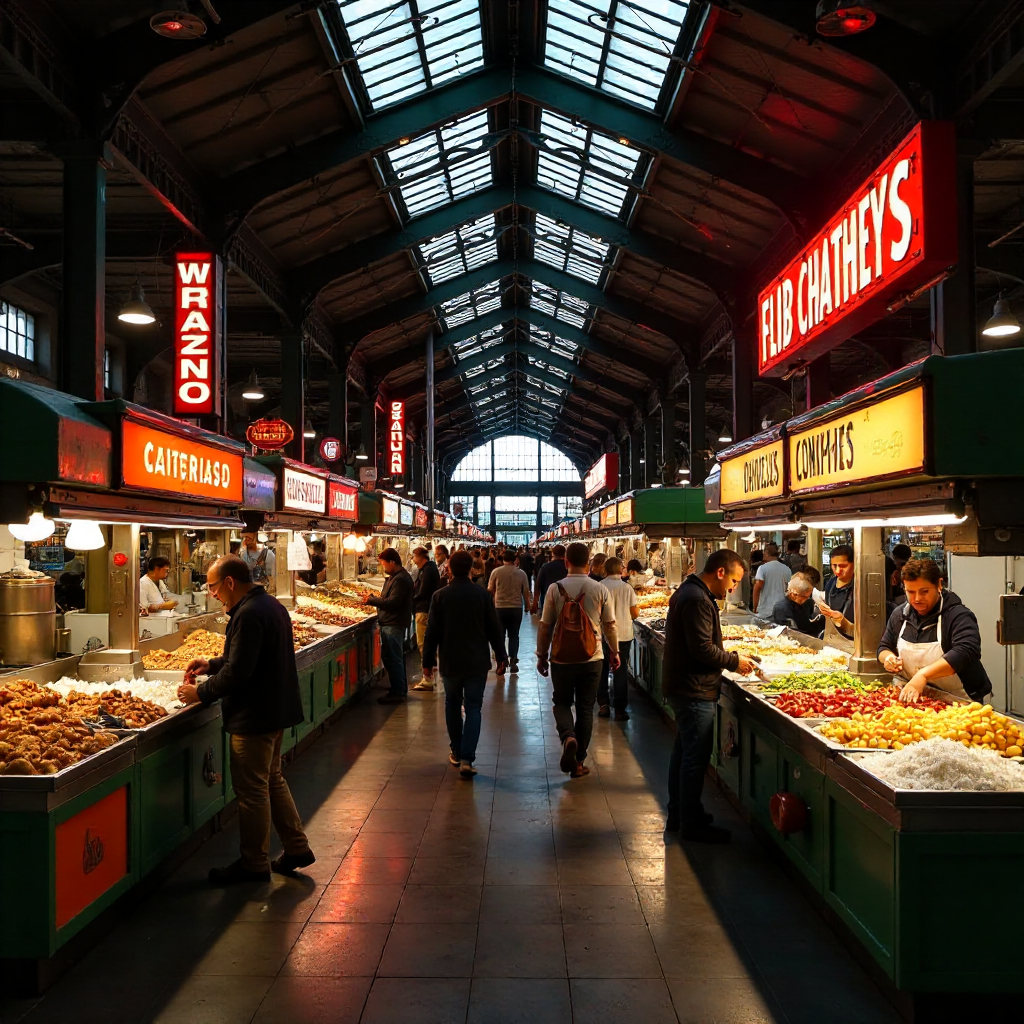
Grand Central Market in downtown LA is the single best introduction to the city's food culture if you only have one stop. Operating since 1917, it houses a rotating mix of vendors — from longtime pupusería and egg stall operators to newer craft food businesses — all under one roof in a historic building. Go hungry, go early, and plan to stay longer than you think.
The farmers market circuit is equally worth building into a visit. The Santa Monica Farmers Market (Wednesdays and Saturdays) is where many of the city's top chefs do their weekly shopping — which tells you something about the quality of what's available. The Hollywood Farmers Market on Sundays draws a lively crowd and has strong prepared food options alongside the produce.
Pop-up dining events, night markets, and weekend food festivals are a constant in LA. Following local food accounts on social media or checking platforms like Eventbrite regularly will surface events that don't make it into traditional travel guides but often represent the most exciting eating happening in the city at any given moment.
Tips for Planning Your LA Food Journey
A few practical realities will make your food tour significantly more enjoyable.
- Go on weekdays when possible. Weekend brunch lines at popular spots can be brutal. The same meal on a Tuesday morning takes a fraction of the time.
- Rent a car or use rideshare strategically. LA is not a walking city, and the best food is spread across dozens of neighborhoods. Plan your day geographically — don't bounce between Venice and Koreatown in the same afternoon unless you enjoy sitting in traffic.
- Budget for range. You can eat extraordinarily well in LA for $15 (a taco truck lunch in Boyle Heights), or spend $200 at a tasting menu. The sweet spot for most food travelers is the $20–50 range per meal, which covers the city's best casual and mid-range dining.
- Use social media as a discovery tool. Local food accounts, neighborhood hashtags, and "new opening" posts from LA food journalists surface spots that haven't made it into guidebooks yet. This is how locals stay ahead of the curve.
- The best weather for outdoor dining is spring and fall. Summer can be hot inland, and June brings "June gloom" near the coast. October and November are arguably the finest months to eat outside in Los Angeles.
Frequently Asked Questions
What neighborhood in LA has the best food?
There's no single answer — it depends entirely on what you're eating. Koreatown leads for Korean cuisine and late-night dining. East LA and Boyle Heights are essential for Mexican street food. The San Gabriel Valley is unmatched for Chinese regional cooking. Silver Lake and Venice represent California cuisine at its most creative.
Are LA food trucks worth trying, and how do I find them?
Absolutely. LA's food truck culture is genuine and diverse, not a gimmick. Follow individual trucks on Instagram for daily locations, or use the Roaming Hunger app to search by neighborhood. Weekend food truck events in DTLA and Culver City are good entry points for first-timers.
What is California cuisine, and where can I experience it in LA?
California cuisine emphasizes fresh, locally sourced, seasonal ingredients with lighter preparations and global influences. In LA, you'll find it at spots like Gjusta in Venice, Sqirl in Silver Lake, and at any restaurant that lists its farm suppliers on the menu. The Santa Monica Farmers Market is also a direct expression of this philosophy.
Is LA good for vegetarian or vegan foodies?
LA is arguably the best major city in the US for plant-based eating. The combination of California's produce culture, a health-conscious population, and significant South and East Asian culinary traditions means vegetarian and vegan options are genuinely excellent across every neighborhood and price point.
What is the best time of year to do a food tour of Los Angeles?
October through November offers the best combination of weather, outdoor dining conditions, and food event activity. Spring (March through May) is also excellent. Summer is fine but can be hot inland, and the coastal areas experience marine layer fog through June.