California Beaches: A Guide to the Best Surf, Sun, and Sand

California’s coastline offers more than one kind of beach day. You can watch surfers work a point break in Malibu, stroll a lively boardwalk in Venice, or spread out a towel on a broad stretch of sand. For visitors based in Los Angeles, the best choice depends on the experience you want, how far you’re willing to drive, and what conditions are like that day.
How to Choose the Right California Beach
Choose a California beach by matching its location, activity, crowd level, and facilities to your plans. A convenient beach with restrooms and nearby food may suit a family better than a quieter, less serviced cove.
Start with the day’s main activity. For surfing, look for a beach or break suited to your ability and check the forecast before leaving. For swimming or sand play, consider access, lifeguard coverage, and whether the shoreline is broad and easy to reach. If you want a scenic walk or people-watching, beaches near piers and boardwalks tend to be livelier.
Distance matters around Los Angeles. Traffic can make a nearby coastal trip take longer than expected, especially on weekends and summer afternoons. Before setting out, compare the drive and parking options, then decide whether amenities or a quieter atmosphere matter more. Less-developed beaches can feel peaceful, but they may have fewer services and more limited access.
Best Beaches for Surfing
Some of California’s best-known surf areas include Malibu, Huntington Beach, and spots along the Los Angeles coast. The right choice depends on the day’s swell, local conditions, and your experience; no beach is reliably suitable for every surfer.
Malibu is a classic name in California surfing, with breaks that attract experienced surfers and spectators alike. Conditions and access vary by spot, so beginners should avoid paddling into a crowded lineup without understanding the break. Nearby beaches can offer a different pace, but it’s still essential to check conditions before entering the water.
Huntington Beach, south of Los Angeles in Orange County, is closely associated with surf culture and can be a good option for visitors planning a dedicated surf outing. Its popularity also means crowds, and wave quality changes with weather and swell. Nearer to the city, Santa Monica and Venice are convenient for a coastal visit, though they are not interchangeable with a purpose-chosen surf break.
Before surfing, check local advisories, tides, and a current surf report. Choose a spot that matches your skill, keep clear of swimmers, and ask a lifeguard about conditions if you are unsure. A famous surf beach is not automatically the safest or easiest place to learn.
Best Beaches for Sun and Sand
For a relaxed day on the sand, look for a beach with the space, access, and facilities your group needs. Santa Monica State Beach, Zuma Beach, and La Jolla Shores each offer a distinct setting, so check current amenities and conditions before you go.
Santa Monica State Beach combines a long shoreline with convenient access to the city and the Santa Monica Pier area. It suits visitors who want a beach walk, time on the sand, and nearby services. The trade-off is a busier atmosphere, especially during popular travel periods.
Zuma Beach in Malibu is known for its broad sandy shoreline and is a strong option for a classic sun-and-sand day. It’s farther from central Los Angeles than Santa Monica, so allow time for the drive and check parking details before setting out. Conditions, access, and available facilities can change.
Farther south, La Jolla Shores offers a gentler coastal setting that many visitors consider for swimming and family outings. Water conditions still vary, and families should stay attentive near the shore. For any beach, bring sun protection, drinking water, and a plan for keeping children within sight.
Los Angeles-Area Beaches Worth Visiting
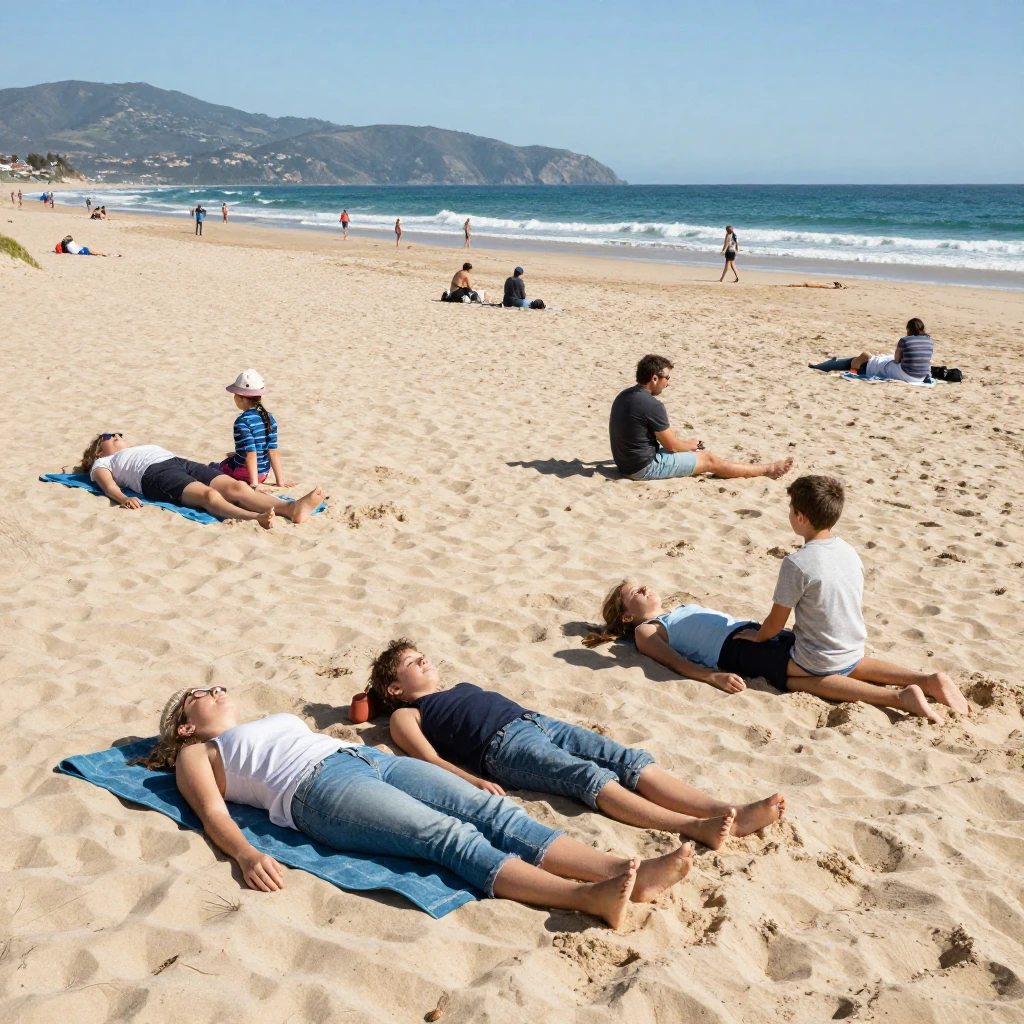
Los Angeles-area beaches range from easy-to-reach urban shores to scenic Malibu stretches along the Pacific Coast Highway. Santa Monica, Venice, and Zuma are useful starting points because each offers a noticeably different beach-day atmosphere.
Santa Monica State Beach
Choose Santa Monica for a straightforward mix of sand, ocean views, and city convenience. It works well for visitors who want to walk the shore and have services within reach. Expect company, particularly near popular access points.
Venice Beach
Venice Beach is the liveliest choice of the three, with a well-known boardwalk and a strong people-watching scene. It suits visitors who want activity around their beach visit rather than a quiet stretch of sand. If your priority is a calm swim or a low-key afternoon, consider going elsewhere or visiting at a less busy time.
Malibu and Zuma Beach
Malibu offers a more scenic coastal drive and a range of beaches with different access and surf conditions. Zuma is a practical pick when you want a wide sandy shoreline, while other Malibu spots may appeal more to surfers or coastal explorers. Check parking, access restrictions, and current conditions before following the Pacific Coast Highway; travel times can vary considerably.
Planning Your Beach Day
Plan a California beach day by checking the weather, water conditions, access, and parking on the day of your visit. Arriving earlier can make parking easier at popular beaches, but it does not replace checking local advisories or understanding the surf.
Use this quick pre-trip checklist:
- Check conditions: Review weather, surf, tides, and any water-quality or beach advisories from local authorities.
- Confirm access: Look for current information about parking, closures, restrooms, and other amenities. Facilities vary by beach and can change.
- Pack for exposure: Bring drinking water, sun protection, and layers for a cooler or breezy afternoon.
- Choose a meeting point: Busy beaches can make it easy for groups to get separated. Agree on a visible landmark before spreading out.
Beach safety starts with respecting the water. Swim in designated areas when available, follow posted signs and lifeguard instructions, and do not assume calm-looking water is risk-free. Surfers should use equipment suited to their ability and give other water users room. For current local guidance, consult the National Weather Service rip current safety information and check any beach-specific notices before swimming.
Beyond Los Angeles: California Beach Day Trips
With more time, Huntington Beach and La Jolla Shores make appealing beach outings beyond Los Angeles. They offer a change of setting, but the extra distance means travel time and traffic should shape your plans.
Huntington Beach is a natural choice for visitors drawn to surf culture and a lively coastal atmosphere. La Jolla Shores, in the San Diego area, is farther away and better suited to travelers who can make an early start or stay overnight. Neither is a quick substitute for a neighborhood beach when schedules are tight.
Before committing to a longer drive, check traffic, parking, access, and local conditions. A successful day trip leaves room for the return journey rather than assuming the coast will be easy to reach at any hour.
California Beach FAQs
Which California beaches are best for surfing?
Malibu and Huntington Beach are among California’s best-known surf destinations, while Los Angeles-area breaks can be more convenient for visitors staying nearby. Conditions change, so choose a spot based on the current forecast and your ability.
What are the best beaches near Los Angeles?
Santa Monica State Beach is convenient and well known, Venice Beach offers a lively boardwalk atmosphere, and Zuma Beach provides a broad sandy setting in Malibu. The best fit depends on whether you want easy access, activity, or a more spacious shore.
Are California beaches suitable for families?
Many are suitable for family visits, including beaches with broad sand and convenient facilities, such as Santa Monica State Beach and Zuma Beach. Check current amenities and water conditions, and keep children close near the shoreline.
What should visitors check before swimming or surfing?
Check weather, surf and tide conditions, water-quality or beach advisories, posted signs, and lifeguard guidance. Surfers should also confirm that the break matches their experience and avoid crowded areas beyond their ability.