Hidden Gems in California: Off-the-Beaten-Path Destinations You Must Visit
California has a way of making you think you've seen it all. You've done the Pacific Coast Highway, maybe caught a sunrise at Joshua Tree, possibly fought for parking at Yosemite. But the state is enormous — nearly 164,000 square miles — and some of its most extraordinary places never make the highlight reels. These are the spots locals quietly return to, the ones that reward the curious traveler willing to drive an extra hour past the last familiar exit.
Why Skip the Crowds and Explore California's Hidden Side
The best reason to go off the beaten path in California is simple: you get the experience without the performance of it. No lines, no influencer crowds, no parking lottery. Just the actual place.
California's most visited destinations — Santa Monica Pier, Napa Valley wine country, the Yosemite Valley floor in July — are genuinely beautiful. But beauty under pressure changes. When 4 million people visit the same waterfall, the experience becomes more about managing the crowd than feeling the place. Lesser-known California destinations offer something different: a slower pace, more direct encounters with landscape and local culture, and the particular satisfaction of discovery.
For LA residents especially, the calculus is straightforward. A two-hour drive east or north can put you somewhere that feels nothing like Southern California — and nothing like anywhere else on earth.
Slab City & Salvation Mountain (Niland, CA)
Slab City is one of the most genuinely strange places in America, and Salvation Mountain — the hand-painted, folk-art hill rising from the desert floor nearby — might be the most visually arresting thing in California that most Californians have never seen in person.
Located near Niland in the Imperial Valley, Slab City sits on abandoned military land and has no electricity, no running water, and no formal governance. It's a self-organized community of artists, drifters, and permanent residents who've built an entire alternative world in the Sonoran Desert. The Slabs, as locals call it, hosts an outdoor music venue called the Range, a library made of salvaged books, and dozens of elaborate art installations scattered across the flats.
Salvation Mountain itself was the life's work of Leonard Knight, who spent decades covering a small hill in adobe, straw, and thousands of gallons of donated paint. The result is a technicolor monument that defies easy categorization — religious art, outsider art, California myth. It's been featured in films and documentaries, but standing in front of it, you understand why no photograph quite captures it.
The drive from Los Angeles takes about three hours. Go in winter or early spring — summer temperatures regularly exceed 110°F, and there's no shade.
Pioneertown: Where the Wild West Meets Desert Cool
Pioneertown is a functioning town that was originally built as a Hollywood movie set in 1946, and somehow it never stopped being both. It sits about 20 minutes north of Joshua Tree National Park, in the high desert at 4,000 feet elevation.
The main drag, Mane Street, looks exactly like a frontier town because it was designed to look exactly like a frontier town — for Roy Rogers westerns, among others. Today it houses a handful of shops, a bowling alley that's been operating since the 1940s, and Pappy & Harriet's Pioneertown Palace, a legendary honky-tonk BBQ venue that has hosted everyone from Robert Plant to Vampire Weekend. Getting a reservation on a weekend night requires planning ahead, but the effort is worth it.
The surrounding landscape — high desert scrub, boulders, Joshua trees, wide open sky — makes Pioneertown an ideal base for exploring the area. The nearby Pipes Canyon Wilderness Preserve offers hiking with almost no foot traffic. And the whole place has a particular quality of light in the late afternoon that explains why photographers and filmmakers keep returning.
From downtown LA, it's roughly two to two-and-a-half hours. A weekend trip combining Pioneertown with Joshua Tree gives you two very different California experiences back to back.
Lassen Volcanic National Park: California's Forgotten Wilderness
Lassen Volcanic National Park is one of the least-visited national parks in the continental United States, which is baffling given what it contains: active hydrothermal features, boiling mud pots, pristine alpine lakes, and a volcano that last erupted as recently as 1917.
Located in northeastern California, Lassen sits about three hours from Sacramento and five from San Francisco. It draws a fraction of the visitors that Yosemite receives despite offering genuinely dramatic scenery and far more accessible trails. The park's centerpiece, Lassen Peak, is one of the largest plug dome volcanoes in the world, and the 5-mile round-trip summit hike rewards with views across four states on a clear day.
The hydrothermal areas — particularly Bumpass Hell, named for a 19th-century adventurer who broke through the crust and scalded his leg — are unlike anything else in California. Boiling springs, fumaroles, and sulfur vents create a landscape that feels genuinely otherworldly. The smell of sulfur is intense, which is part of the experience.
Summer and early fall are the best windows; the park road typically closes from November through June due to snow. If you go in late June or early July, you'll often find wildflowers blooming alongside snowfields — a combination that's hard to find anywhere else in the state.
Ferndale: A Victorian Village on the Lost Coast
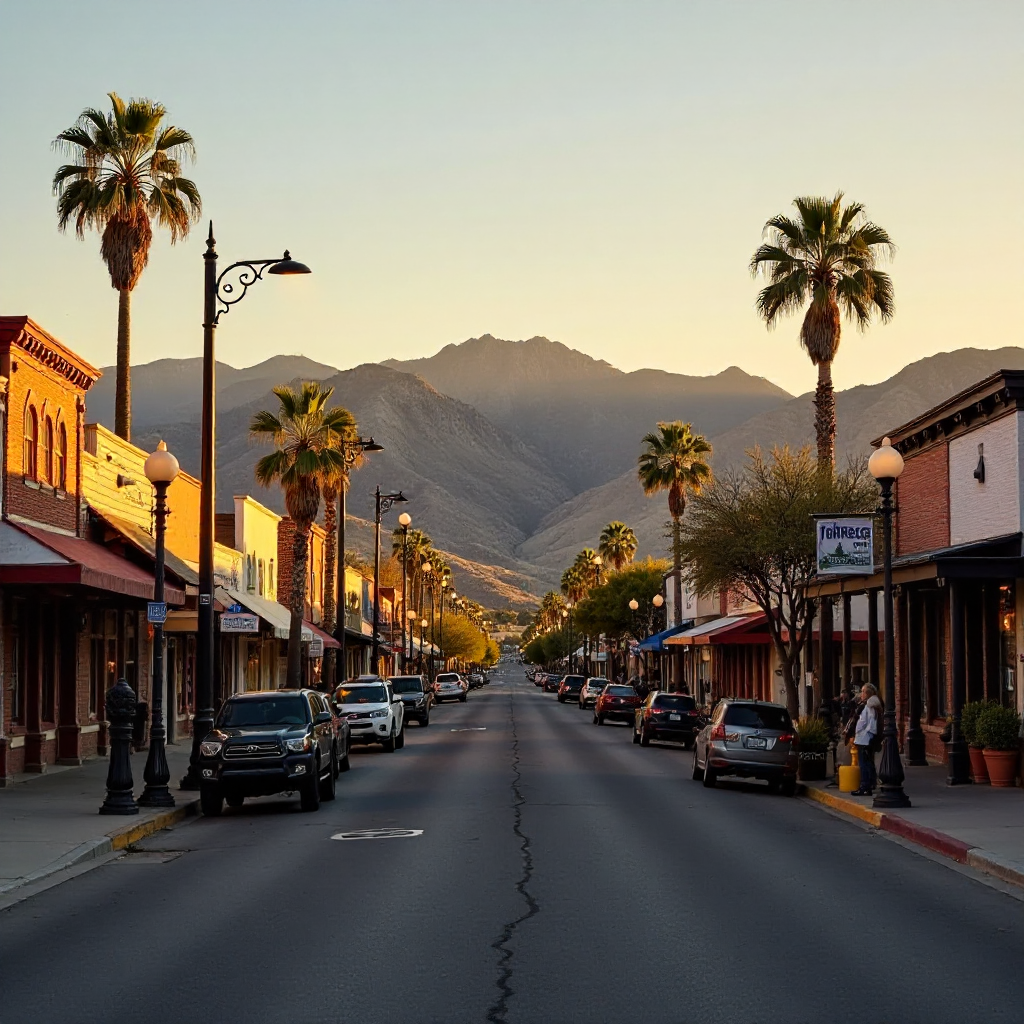
Ferndale is a small town in Humboldt County that looks like it was preserved in amber sometime around 1890. The entire downtown is on the National Register of Historic Places, and the Victorian storefronts, painted in period colors, line a main street that has resisted the homogenization that's flattened so many small California towns.
The Lost Coast region that surrounds Ferndale is named for the fact that coastal Highway 1 couldn't be built through the mountains here — the terrain was too rugged. That inaccessibility is what saved it. The King Range National Conservation Area nearby offers some of the most remote coastal hiking in the state, with black sand beaches and old-growth forest within a few miles of each other.
Ferndale itself rewards slow exploration. The town has working dairy farms, a genuine hardware store, a small museum dedicated to local history, and a handful of bed-and-breakfasts in restored Victorian homes. It's the kind of place where the pace of life feels genuinely different — not performed slowness, but the real thing.
The drive from San Francisco takes about four hours. From LA, plan for a longer road trip — eight or nine hours — but the Lost Coast is worth building an itinerary around.
Bombay Beach & the Salton Sea: Eerie Beauty Worth Seeing
The Salton Sea is California's largest lake and one of its most misunderstood places. It was created accidentally in 1905 when an irrigation canal broke and filled a desert basin for two years. For decades it was a resort destination. Then the water grew saltier, fish died, birds died, the resorts closed, and the towns emptied.
What's left is genuinely haunting — and increasingly recognized as one of the most compelling artistic and photographic destinations in the American West. Bombay Beach, a small community on the eastern shore, has become an unlikely hub for artists and outsider creatives who've transformed the abandoned landscape into an open-air installation. The annual Bombay Beach Biennale draws artists from around the world to create site-specific work in the ruins.
The smell near the shore can be strong, particularly in summer. The landscape is not conventionally beautiful. But there's something about the combination of decay, strange light, and human persistence that makes it impossible to look away. Photographers who've visited once tend to go back.
It's about two and a half hours from Los Angeles, making it a viable day trip — though arriving at sunset and staying for the night sky, which is extraordinary here, is worth the extra planning.
Tips for Planning Your Off-the-Beaten-Path California Trip
Planning a California road trip to lesser-known destinations requires a slightly different approach than booking a standard vacation. These places don't always have robust tourist infrastructure, and that's largely the point.
- A car is non-negotiable. Every destination in this list requires driving, and most involve roads that public transit doesn't reach. A reliable vehicle with good air conditioning matters more than you'd think in the desert regions.
- Timing shifts the experience dramatically. Desert destinations like Slab City, Pioneertown, and Bombay Beach are best visited October through April. Northern California spots like Ferndale and Lassen are more accessible May through October. Overlap exists, but don't fight the seasons.
- Cell service is unreliable. Download offline maps before you leave. Google Maps and Maps.me both allow offline navigation. This isn't optional — it's the difference between an adventure and a frustrating situation.
- Book accommodations early for Pioneertown and Ferndale. These small towns have limited lodging, and weekends fill up months in advance during peak season.
- Bring more water than you think you need. For any desert destination, the rule of thumb is one liter per person per hour of outdoor activity, plus emergency reserves in the car.
The best off-the-beaten-path California trips share a common quality: they require you to show up a little more prepared and a little more present than a standard vacation. In return, they give you something most travel can't — the feeling that you found something real.
Frequently Asked Questions
What are the best hidden gem destinations near Los Angeles?
Pioneertown, Slab City, and Bombay Beach are all within two to three hours of Los Angeles, making them realistic weekend getaways. Pioneertown pairs naturally with Joshua Tree National Park for a full desert itinerary.
Are these off-the-beaten-path California spots safe to visit?
Generally yes, though each requires basic preparation. Slab City is an unregulated community — visit during daylight and be respectful. Desert destinations carry heat risks; bring water and tell someone your itinerary. Lassen's hydrothermal areas require staying on marked trails.
What is the best time of year to explore lesser-known California destinations?
Spring (March to May) is ideal for desert destinations, when temperatures are mild and wildflowers occasionally bloom. Late summer through early fall works well for Lassen and the Northern California coast. Winter is surprisingly good for Ferndale, which gets atmospheric fog and far fewer visitors.
Do I need a car to visit these hidden gems in California?
Yes. All destinations listed are inaccessible by public transit. A rental car is the minimum requirement; for desert areas, a vehicle with solid air conditioning is strongly recommended.
How far are these destinations from major California cities?
Pioneertown and Slab City are roughly 2-3 hours from LA. Bombay Beach is about 2.5 hours from LA. Lassen Volcanic National Park is 3 hours from Sacramento. Ferndale is 4 hours from San Francisco and significantly longer from Southern California.