Living the California Dream: Balancing Work, Wellness, and Adventure in Los Angeles
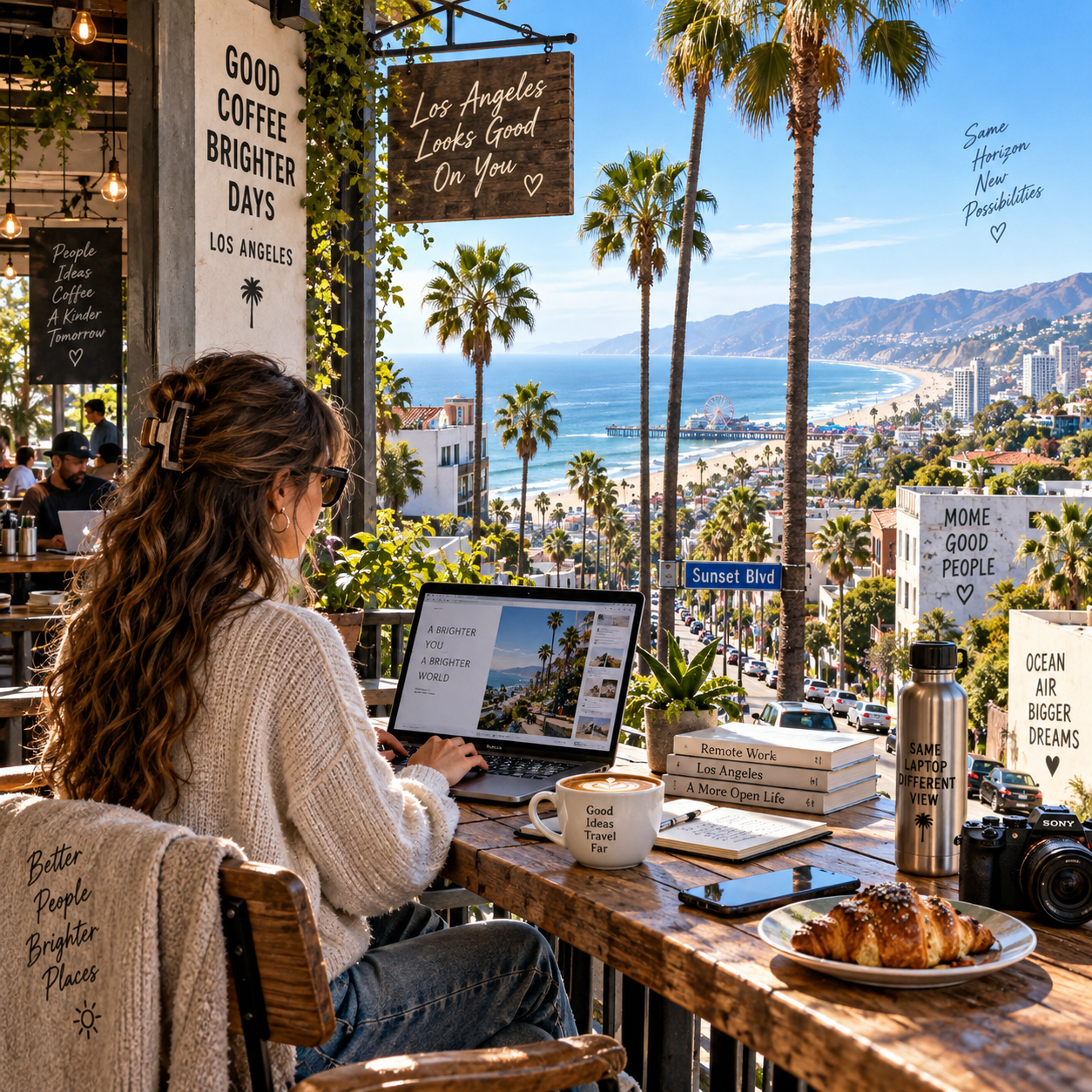
Living the California dream in Los Angeles is less about constant glamour and more about designing a life with room for meaningful work, daily wellness, and spontaneous adventure. The city rewards people who plan around distance, traffic, heat, and energy levels rather than trying to do everything at once.
What the California Dream Looks Like in Los Angeles
The California dream in Los Angeles is a flexible lifestyle that combines professional opportunity with sunshine, outdoor activity, culture, and personal time. It feels most sustainable when adventure becomes part of an ordinary week instead of a rare escape.
For some people, that means answering emails near a neighborhood coffee shop before walking to the beach. For others, it means finishing a studio shift, joining a yoga class, and watching the sunset from a nearby overlook. Visitors can experience the same rhythm for a few days by choosing one base, planning realistic travel windows, and leaving open space in the itinerary.
Los Angeles is a collection of distinct neighborhoods rather than one compact city center. Santa Monica and Venice offer coastal access; Los Feliz, Silver Lake, and Los Angeles's east side provide cafes, parks, and urban trails; Downtown Los Angeles connects visitors with museums, restaurants, sports, and public transportation. Each area creates a different version of the California lifestyle.
The practical definition of balance is simple: protect the hours that matter, place wellness near your routine, and choose adventures that do not create a second workweek of exhaustion. The city is full of possibilities, but distance can turn an appealing plan into an expensive, time-consuming one.
Building a Productive Los Angeles Work Routine
To build a productive Los Angeles work routine, choose a convenient home base, schedule demanding tasks around traffic, and use coworking or remote-work spaces that reduce distractions. A successful routine makes transportation predictable before adding sightseeing.
Remote workers should begin by identifying their fixed commitments: meetings, deadlines, time-zone requirements, and reliable internet needs. A quiet rental or coworking space may be more valuable than a scenic hotel if video calls fill the day. Coworking options range from dedicated offices to flexible day passes, but prices, availability, and noise levels vary, so check policies before committing.
Commute planning matters even for short stays. Use public transportation when the route is direct and dependable, especially along parts of the Metro system and the E Line between Downtown Los Angeles and Santa Monica. Driving offers more flexibility for hiking trails and coastal viewpoints, yet parking fees, congestion, and one-way distances can erase that advantage.
Choose a neighborhood by your weekday priorities
- Santa Monica: Best suited to travelers who value beaches, morning walks, and a walkable daily rhythm, with higher accommodation costs in many areas.
- Venice: Offers a lively coastal atmosphere, cycling, and people-watching, though the experience can be busier and less predictable.
- Los Feliz and Silver Lake: Good choices for cafes, neighborhood restaurants, parks, and access to Griffith Park.
- Downtown Los Angeles: Convenient for museums, events, restaurants, and selected transit connections, but less centered on a beach lifestyle.
Try a two-block rule: place your preferred workspace, food option, and a simple wellness activity within roughly two blocks of your accommodation whenever possible. You may still drive for major outings, but reducing small daily trips preserves time and attention.
Making Wellness Part of Everyday Life
Wellness in Los Angeles works best when it is built into ordinary transitions: a walk before work, a park break between meetings, a nutritious meal after a hike, or a quiet hour away from screens. Consistency matters more than booking expensive treatments.
Start with a manageable morning habit. Walk along the beach, stretch in a park, or take a short neighborhood loop before opening your laptop. In Santa Monica, the beachfront path supports walking and cycling; in other neighborhoods, local parks and residential streets can provide a calmer alternative to a long drive.
Outdoor time is especially useful for remote workers who spend much of the day indoors. A 20-minute walk between work blocks can create a clear boundary between professional and personal time. On hot days, move exercise to early morning or evening, carry water, and check weather and trail conditions before heading into exposed areas.
Healthy meals also require planning. Keep breakfast simple, identify one nearby grocery store, and choose restaurants that make it easy to eat well without turning every meal into a destination. Wellness-focused activities may include yoga, Pilates, swimming, cycling, meditation, or a relaxed visit to a botanical garden.
Use the energy ladder: select a low-effort activity when work is demanding, a moderate outing on a normal day, and a longer hike or beach excursion when you have genuine capacity. Choosing a strenuous adventure for the sake of an impressive itinerary often costs the next day’s focus.
Finding Adventure Without Leaving Los Angeles
Los Angeles offers accessible adventure through coastal walks, urban hikes, scenic viewpoints, museums, markets, and neighborhood exploration. The easiest way to fit adventure into a workweek is to choose experiences that take two to four hours rather than requiring an entire day.
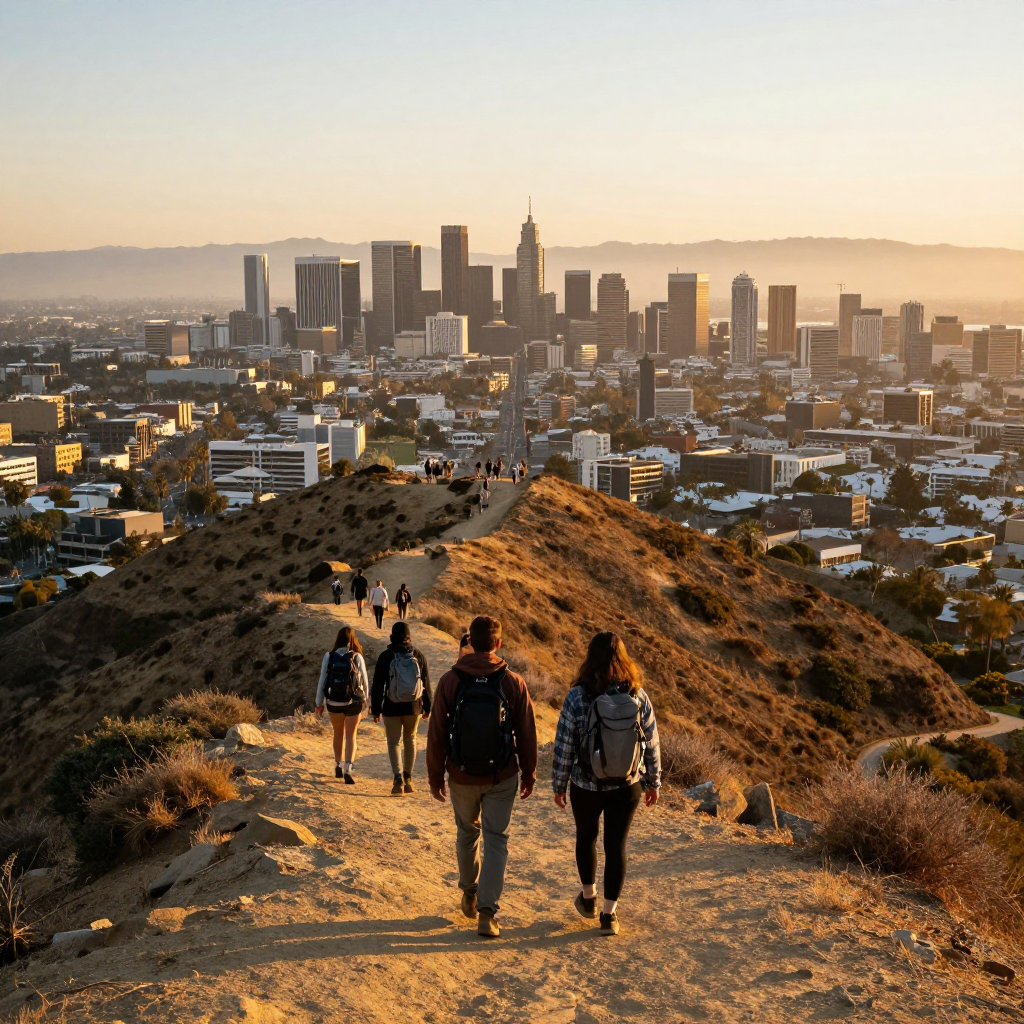
Griffith Park provides a range of hiking options and city views, including routes near the Griffith Observatory. Trails differ in length, shade, elevation, and popularity, so review current conditions and bring water. Runyon Canyon is another recognizable urban hiking option, but it can be crowded and exposed; an early start makes the experience more comfortable.
Along the coast, walking or cycling between Santa Monica and Venice creates a low-planning outing with ocean views, public art, and places to stop for a meal. Malibu offers beaches and scenic drives, although the trip requires careful timing and parking research. A late-afternoon coastal visit may be rewarding, but return traffic can be slow.
Adventure does not always mean exertion. The Getty Center, Los Angeles County Museum of Art, The Broad, Grand Central Market, and neighborhood farmers markets provide cultural variety without a demanding physical schedule. Select one anchor activity, then add only one nearby stop.
Planning Weekend Escapes Around Southern California
To plan a manageable Southern California weekend getaway, choose a destination within a realistic driving or transit window, leave before peak congestion, and protect recovery time on the return day. A short trip should refresh your week rather than overload it.
For a coastal change of scene, consider Laguna Beach, Ventura, or the Santa Barbara area, depending on your starting point and traffic conditions. Palm Springs offers desert scenery, design, and pools, but summer heat changes what is practical outdoors. Joshua Tree National Park can deliver a memorable landscape, yet it needs more preparation, water, and attention to heat than a casual city excursion.
Use a three-part filter before booking:
- Travel: Can you reach the destination without turning Friday evening and Sunday afternoon into stressful transit?
- Activity: Does the place offer one experience that genuinely interests you, such as a beach walk, museum visit, hot spring, or nature trail?
- Recovery: Will you have enough sleep, food, and unplanned time to return ready for work?
Public transportation can suit some regional trips, especially when the route connects major stations and you are comfortable with a slower, fixed schedule. Driving is often more practical for trailheads, dispersed attractions, and flexible stops. In either case, check operating hours, reservations, parking rules, and seasonal conditions rather than relying on an idealized timetable.
A Sample Balanced Day or Week in Los Angeles
A balanced Los Angeles itinerary combines focused work, one wellness habit, one local adventure, and genuine downtime. The schedule below is flexible enough for visitors, remote workers, and longer-stay travelers.
A realistic weekday
- 7:00 a.m.: Walk, stretch, or cycle near your neighborhood before the streets become hotter and busier.
- 8:00 a.m.: Eat breakfast and review the day’s two highest-priority work tasks.
- 9:00 a.m. to noon: Complete concentrated work from a quiet accommodation, library, or coworking space.
- Noon: Take a screen-free lunch break and walk for 20 minutes.
- 1:00 to 4:00 p.m.: Handle meetings, research, or lighter administrative work.
- Late afternoon: Visit one nearby museum, market, park, or coastal path.
- Evening: Eat locally, avoid a long cross-city journey, and leave time for sleep.
A balanced long weekend
Use Friday for work and a nearby sunset walk. Reserve Saturday for one major outing, such as Griffith Park, Malibu, or a museum district. Keep Sunday deliberately lighter with brunch, a neighborhood stroll, and preparation for the week ahead. This pattern creates space for discovery while preventing the common mistake of stacking multiple distant attractions into one day.
Practical Tips for Living the Dream Responsibly
Living the California dream responsibly means budgeting for transportation and accommodation, adapting to heat and crowds, choosing lower-impact travel, and accepting that Los Angeles requires deliberate pacing. The lifestyle becomes more enjoyable when expectations match the city’s scale.
- Plan for transport costs: Compare parking, rental car, rideshare, and public transportation before each major outing. A low nightly rate can lose its value if every activity requires expensive parking or long transfers.
- Respect the weather: Carry water, sunscreen, and a light layer. Heat, smoke, or poor air quality can change hiking and beach plans, so keep an indoor alternative available.
- Limit cross-city zigzags: Group activities by area. Pair Santa Monica with Venice, Griffith Park with Los Feliz, and Downtown museums with nearby markets or restaurants.
- Budget honestly: Track accommodation, meals, parking, admission fees, wellness classes, and weekend travel. Free beaches and public parks can anchor an itinerary without making the entire trip feel restrictive.
- Travel more sustainably: Use transit or shared rides when practical, refill a reusable bottle, stay on marked trails, and avoid leaving waste at beaches or natural areas.
- Protect unscheduled time: Keep at least one evening and part of one weekend day open. Flexibility is valuable when traffic, weather, or fatigue changes the plan.
Common mistakes include treating Los Angeles as compact, booking a demanding hike after a full workday, and confusing a packed schedule with a rich experience. Correct them by using neighborhood clusters, matching activities to your energy, and choosing depth over quantity. For current regional transportation information, consult the official Los Angeles County Metropolitan Transportation Authority before setting a transit-heavy itinerary.
Frequently Asked Questions About the Los Angeles California Lifestyle
How can I balance work and sightseeing in Los Angeles?
Schedule focused work in the morning, choose sightseeing close to your workspace, and reserve major attractions for one or two dedicated days. Avoid crossing the city repeatedly between meetings.
What are the best wellness activities in Los Angeles?
Walking, cycling, yoga, Pilates, swimming, hiking, beach time, park visits, and mindful screen breaks are practical options. The best choice is the one you can repeat without disrupting work or sleep.
Where can I find outdoor adventures near Los Angeles?
Look to Griffith Park, the Santa Monica and Venice coast, Malibu, the Santa Monica Mountains, and nearby regional beaches. Check trail conditions, heat, parking, and access rules before leaving.
Which Los Angeles neighborhoods suit a work-and-wellness lifestyle?
Santa Monica suits beach-centered routines, Venice favors a lively coastal setting, Los Feliz and Silver Lake offer parks and neighborhood amenities, and Downtown Los Angeles works well for museums, events, and selected transit links.
How can I plan a California weekend getaway without overextending myself?
Choose one destination, one main activity, and a comfortable travel window. Leave time for meals, rest, and the return journey, and check traffic and seasonal weather before committing.