Los Angeles on a Budget: How to Enjoy the City Without Breaking the Bank
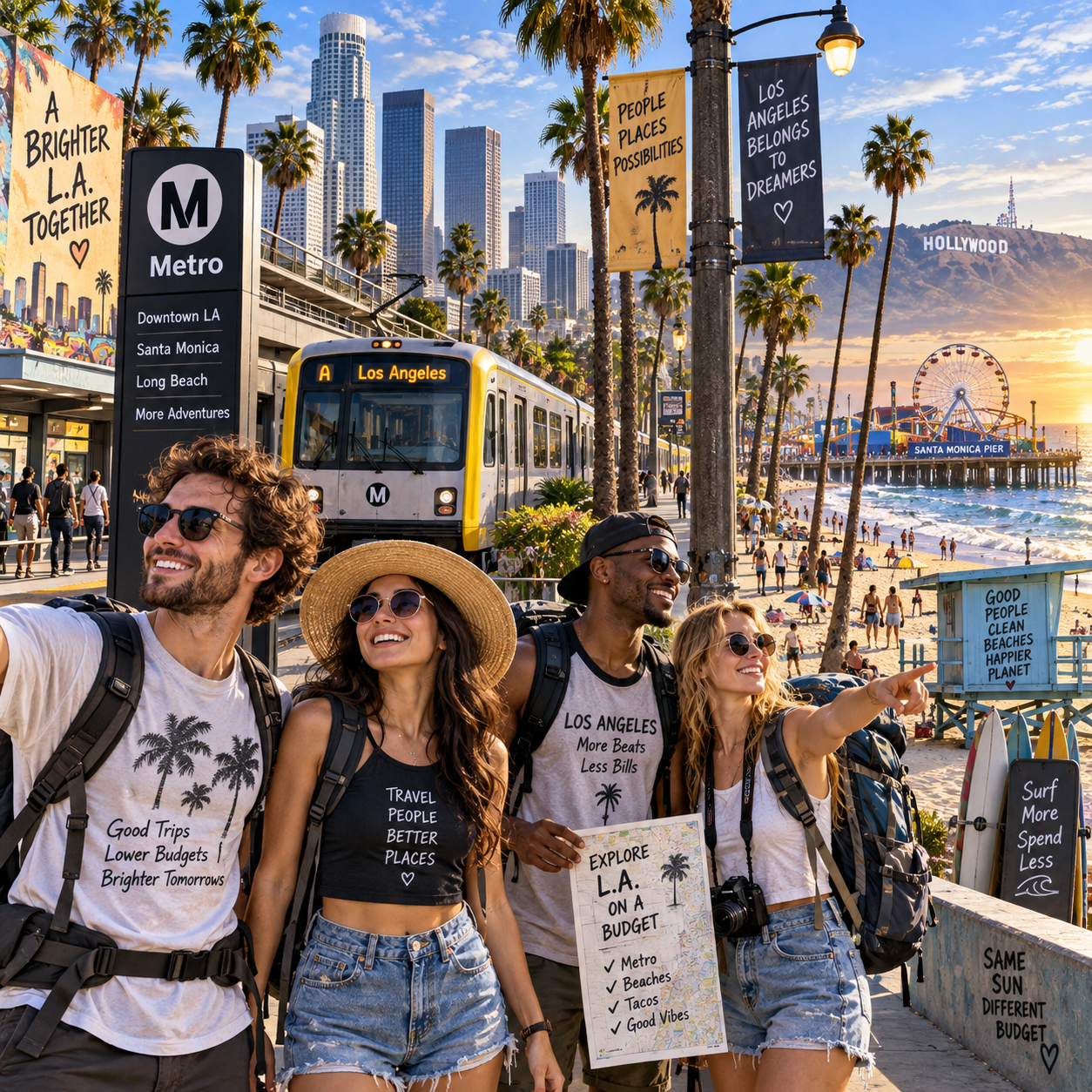
Los Angeles can be expensive, but you do not need a luxury hotel, rental car, or costly attraction pass to experience the city well. The most effective strategy is to choose a convenient neighborhood, group activities by location, use free Los Angeles attractions as your foundation, and spend selectively on the experiences that matter most to you.
How Much Does a Budget Trip to Los Angeles Cost?
A budget trip to Los Angeles usually requires about $75 to $150 per person per day, excluding flights, depending on your accommodation, transport choices, and dining habits. Families and travelers who share a room can reduce per-person costs, while solo visitors may spend more on lodging.
Build your Los Angeles budget around five categories:
- Accommodation: Hostels, simple guesthouses, and budget hotels may range from roughly $45 to $180 per night, with prices changing by neighborhood, season, and demand.
- Transportation: Metro Rail and buses are the least expensive option. Add occasional rideshares when a journey is inconvenient or late at night.
- Food: Allow around $20 to $45 per person daily if you combine grocery breakfasts, food trucks, markets, and casual restaurants.
- Activities: Many major sights cost nothing. Reserve part of your budget for one or two paid attractions, such as a museum, studio tour, or observation experience.
- Daily extras: Include taxes, tips, coffee, parking, beach rentals, and small purchases. These easily become the forgotten part of a travel budget.
A useful planning rule is the free-first budget: choose two or three no-cost activities each day, then add one paid experience only when it offers something you genuinely cannot get elsewhere. Check current fares and route information on the official LA Metro website before traveling, since prices and service details can change.
Free and Cheap Things to Do in Los Angeles
The best free and cheap things to do in Los Angeles include visiting beaches, hiking public trails, exploring neighborhoods, viewing city landmarks, and using museums or cultural venues with free-admission hours.
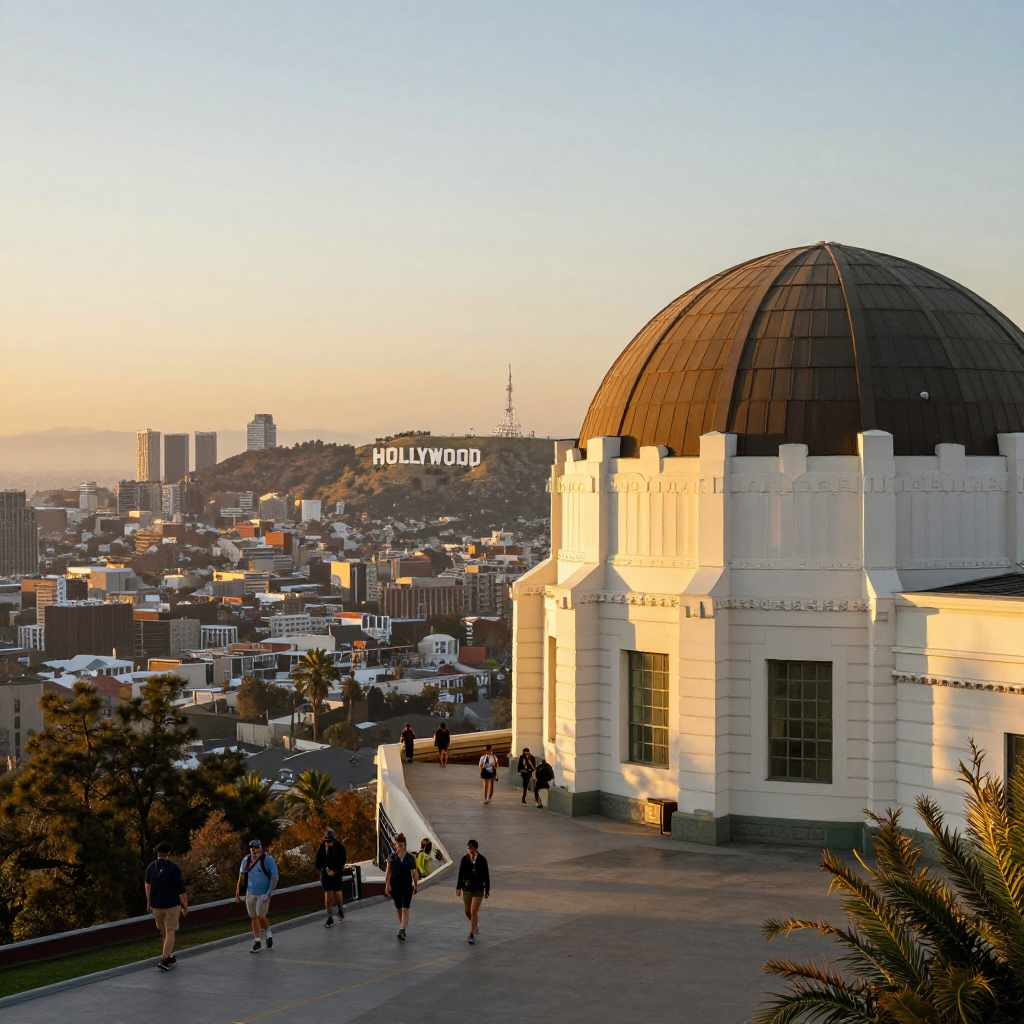
Start at Griffith Observatory, where admission to the building and public grounds is generally free. You can see the Hollywood Sign from nearby viewpoints, study the city basin, and walk portions of Griffith Park without paying for an organized tour. Parking can be limited, so public transportation or an early visit may save both money and frustration.
Along the coast, Santa Monica and Venice Beach provide an entire low-cost day. Walk the Santa Monica Pier, follow the beach path toward Venice, watch street performers, and explore the canals or colorful storefronts. Bring water and snacks because prices near the sand are often higher than those a few blocks inland.
The Hollywood Walk of Fame is free and easy to combine with TCL Chinese Theatre, the Hollywood & Highland area, and a short neighborhood walk. It is crowded and commercial, so treat it as a brief stop rather than the centerpiece of a full day.
Other affordable options include:
- Walking through Grand Central Market and the surrounding streets of Downtown Los Angeles.
- Exploring The Broad’s free general-admission collection, subject to timed-entry availability.
- Visiting the Getty Center, which generally offers free admission but may require a reservation; transportation and parking can still cost extra.
- Hiking Runyon Canyon or another public trail, with attention to heat, water, and trail conditions.
- Enjoying Echo Park Lake, Los Angeles neighborhoods, and public art in the Arts District.
Choose activities by geography. A beach day should stay on the Westside, while Griffith Observatory works better with Hollywood or Los Feliz. Crossing the city repeatedly can turn a free attraction into an expensive day of fares, parking, and lost time.
Getting Around Los Angeles Without Spending a Fortune
Public transportation is the cheapest way to cover many popular Los Angeles areas, while walking and biking work best within individual neighborhoods; rideshares fill the gaps when routes are slow or impractical.
The Metro Rail and buses connect Downtown Los Angeles with areas including Hollywood, Koreatown, Culver City, Santa Monica, and parts of the San Fernando Valley. Metro is especially useful for airport connections and major north-south routes, although a single trip may still require a bus transfer or a longer walk.
- Use Metro: Best for travelers staying near a rail station and visiting connected districts.
- Walk: Ideal for Hollywood Boulevard, Santa Monica, Venice, Downtown, and compact local excursions.
- Bike: Useful along the beach paths and for short trips, but less practical across steep or heavily trafficked areas.
- Use rideshares selectively: Share a car for late-night travel, a group of three or four, or a journey where several transfers would consume hours.
- Rent a car only when needed: A car helps with distant hiking trails, multiple day trips, or areas with limited transit, but parking, fuel, insurance, and traffic can erase the apparent convenience.
Los Angeles is not one walkable city center. It is a collection of districts separated by long distances and busy roads. Plan one geographic zone per day, and compare the total cost of a rental car with the price of transit plus two or three rideshares. For many short stays, avoiding a car is cheaper and less stressful.
Where to Stay on a Los Angeles Budget
Budget travelers should stay near the attractions they plan to visit most, because a cheaper room far from transit can cost more once transportation and travel time are included.
Hostels in Hollywood, Koreatown, Santa Monica, and parts of Downtown may offer the lowest nightly rates, especially for solo travelers. A private room in a hostel or a simple guesthouse can suit couples who want to reduce costs without sharing a dorm. Budget hotels often provide better value for families when four people can share one room.
Consider these neighborhood trade-offs:
- Hollywood: Convenient for the Walk of Fame, Griffith Park access, and Metro connections, though some streets are noisy and busy.
- Koreatown: Often offers casual dining, central positioning, and strong transit access.
- Downtown Los Angeles: Useful for museums, Grand Central Market, and rail connections, but research the immediate block and return route before booking.
- Santa Monica or Venice: Excellent for beach access and walking, but lodging prices can be higher than inland alternatives.
- Culver City or West Adams: Potentially convenient for Westside attractions, although transit connections vary by exact location.
Compare the full nightly cost, including resort fees, parking, taxes, and breakfast charges. A room that costs $30 more but eliminates daily parking or long rides may be the better budget choice.
Eating Cheaply in Los Angeles
You can eat cheaply in Los Angeles by mixing food trucks, affordable neighborhood restaurants, grocery-store meals, public markets, and one planned sit-down meal instead of dining near every landmark.
Food trucks are a reliable way to find tacos, burritos, Korean-Mexican dishes, burgers, and other filling meals at casual prices. Search locally on the day you visit because truck locations and operating hours change. Neighborhood restaurants in Koreatown, East Hollywood, Thai Town, Boyle Heights, and the San Gabriel Valley can also offer generous portions for less than tourist-heavy areas.
Markets are useful for both food and sightseeing. Grand Central Market provides variety, while local supermarkets can supply breakfast items, fruit, sandwiches, and drinks. If your lodging includes a refrigerator or kitchen, one grocery stop can reduce daily spending considerably.
Use this simple meal pattern:
- Breakfast from groceries, a bakery, or a neighborhood café.
- Lunch from a food truck, market stall, or casual counter-service restaurant.
- Dinner near your accommodation or final attraction, avoiding an expensive cross-city journey for a specific meal.
Carry a refillable bottle and snacks. Buying drinks repeatedly at beaches, museums, and tourist zones is a small expense that can add $10 or more per person over a long day. Budget dining does not mean choosing the cheapest item every time; it means spending where the food and location justify the price.
A Sample Budget-Friendly Los Angeles Itinerary
A budget-friendly Los Angeles itinerary works best when each day focuses on one connected area, combines free attractions with one optional paid activity, and leaves room for inexpensive meals.
Day 1: Hollywood and Griffith Park
Begin with the Hollywood Walk of Fame and nearby landmarks. Eat lunch at a casual restaurant, then travel toward Griffith Observatory in the afternoon. Enjoy the views, grounds, and a sunset walk without paying for a tour. Stay in Hollywood or Koreatown to limit evening transportation.
Day 2: Santa Monica and Venice Beach
Take Metro or a short rideshare to Santa Monica. Walk the pier and beach path, then continue toward Venice Beach. Have a food-truck lunch or buy groceries before arriving. Watch the sunset near the water, where the scenery provides the main entertainment.
Day 3: Downtown Los Angeles
Explore Grand Central Market, Angels Flight from the outside, and nearby historic streets. Visit The Broad if free timed admission is available, or choose a low-cost museum alternative. Continue through the Arts District and finish with an affordable meal in Koreatown.
Day 4: Getty Center or a local neighborhood day
Visit the Getty Center with a reservation, remembering that parking and transportation may affect the total cost. If the logistics do not fit your budget, spend the day in Los Feliz, Echo Park, or Culver City with a hike, public park, independent shops, and a casual dinner.
This plan is flexible for solo travelers, couples, and families. Families may benefit from grocery breakfasts and fewer daily transfers, while solo travelers can reduce lodging costs through a hostel. Couples can compare one rideshare with two transit fares when traveling late or carrying beach equipment.
Money-Saving Tips for Visiting Los Angeles
The easiest ways to save money in Los Angeles are booking strategically, avoiding unnecessary car costs, grouping sights by neighborhood, and balancing free attractions with a small number of paid experiences.
- Travel outside peak periods: Weekdays and non-holiday periods may offer better lodging rates, although events and conventions can change local demand.
- Book refundable accommodation early: Compare prices again before the cancellation deadline, then rebook only when the terms genuinely improve.
- Check every fee: Confirm parking, resort fees, destination charges, cleaning fees, and taxes before comparing rooms.
- Reserve free attractions: Free admission does not always mean walk-in access. Check timed-entry requirements for museums and cultural venues.
- Use neighborhood clusters: Put Hollywood and Griffith Park together, Downtown museums together, and Santa Monica and Venice together.
- Set a daily transport limit: Decide in advance when a rideshare is worth the time saved.
- Bring practical supplies: Sunscreen, water, comfortable shoes, and snacks cost less at a supermarket than at a major attraction.
Common mistakes include booking the cheapest room without checking its location, assuming every beach attraction is walkable from every other district, and renting a car for the entire trip when only one excursion requires it. Correct these by mapping your accommodation against your itinerary before payment and pricing transport as a complete daily expense.
Los Angeles Budget Travel FAQ
Is Los Angeles expensive to visit?
Los Angeles can be expensive, especially for lodging, parking, and restaurant meals, but a thoughtful visitor can reduce costs with public transportation, free attractions, grocery meals, and neighborhood-based planning.
What are the best free things to do in Los Angeles?
Top free options include Griffith Observatory, beach walks in Santa Monica and Venice, the Hollywood Walk of Fame, public parks, hiking trails, selected museums, and neighborhood street art.
Can you visit Los Angeles without renting a car?
Yes. Use Metro Rail and buses for connected areas, walk within neighborhoods, and add occasional rideshares. A car becomes more useful for distant trails, multiple day trips, or locations with weak transit.
Where should budget travelers stay in Los Angeles?
Hollywood, Koreatown, Downtown Los Angeles, and selected parts of Culver City can work well, depending on your itinerary. Choose a safe, well-reviewed location near useful transit or your main sightseeing area.
How can I eat cheaply in Los Angeles?
Combine food trucks, casual local restaurants, markets, supermarket breakfasts, and packed snacks. Eating a few blocks away from major tourist attractions often improves both price and quality.