The Art and Culture Scene in LA: Museums, Galleries, and Street Art
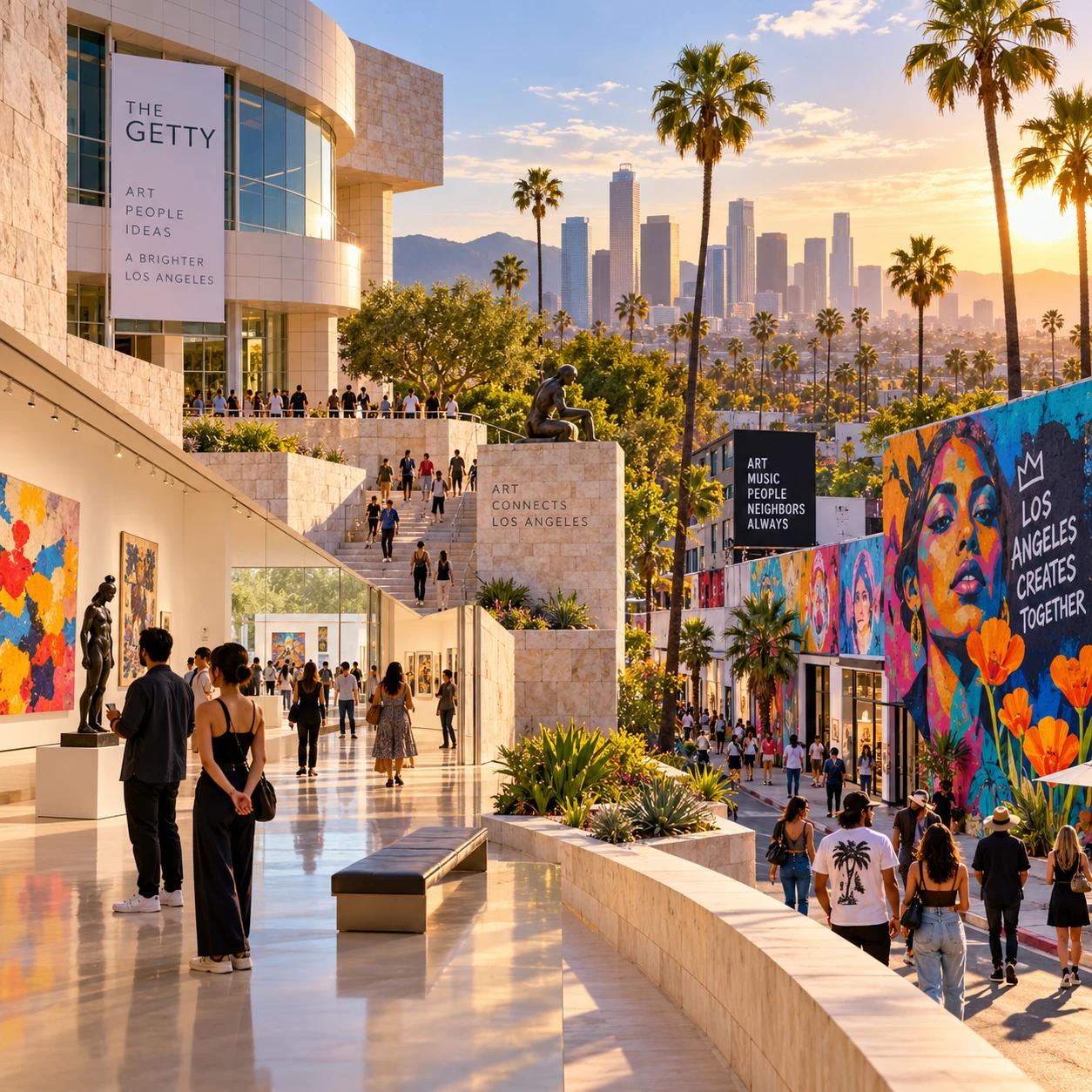
Los Angeles rewards art lovers who plan by neighborhood and leave room for discovery. The city’s cultural map stretches from landmark museums and private collections to independent galleries, warehouse studios, and murals painted on everyday streets.
That range is part of the appeal, but it also means LA is not one compact, walkable art district. Choose a few places that match your interests, check what is currently open, and allow time to cross the city between them.
Start with LA’s Major Art Museums
Los Angeles’s major art museums offer different experiences: LACMA spans broad collections, the Getty Center pairs art with architecture and gardens, and The Broad and MOCA focus strongly on modern and contemporary work. Pick one or two based on your interests and the time you have.
The Los Angeles County Museum of Art (LACMA), on Museum Row along Wilshire Boulevard, is a strong choice for visitors who want to move across eras, cultures, and artistic forms. Its campus and exhibitions can take several hours to explore, so check the current gallery plan and any building or installation updates before setting out. The nearby La Brea Tar Pits and other museums can make this a full cultural day, though adding too many stops may leave little time for the galleries.
For an art visit with a dramatic setting, head to The Getty Center. Its collections include European paintings, sculpture, decorative arts, and photography, while the hilltop campus adds gardens, views, and striking architecture. The visit involves getting from the parking and transit area up to the site, so allow extra time. Admission is generally free, but parking and reservations or other entry requirements may apply; confirm the latest details on the Getty’s official site.
In Downtown Los Angeles, The Broad is known for contemporary and postwar art, while the Museum of Contemporary Art (MOCA) offers another perspective on modern and contemporary work. Their locations make it possible to build a downtown museum visit, but exhibitions, opening hours, and admission arrangements can change. Check both museums’ current visitor information, and reserve timed entry where required.
Quick choice: Start with LACMA for breadth, the Getty for art and architecture in a scenic setting, or The Broad and MOCA for a contemporary-focused downtown visit.
Explore Contemporary Art and Independent Galleries
For contemporary art beyond the major museums, explore Downtown LA’s gallery districts and independent spaces, then check current exhibition listings before you go. Smaller galleries can offer an intimate, artist-focused visit, but opening days and hours may be limited.
Gallery Row, centered around South Spring Street in Downtown Los Angeles, has a history as a gallery hub, with exhibition spaces, studios, and creative businesses in the surrounding blocks. The mix changes over time: some venues host regular public hours, while others open mainly for appointments or special events. Verify a gallery’s current address, hours, and exhibition details before making it your anchor stop.
The Arts District, east of the downtown core, also has galleries and artist-run spaces among restaurants, studios, and converted industrial buildings. It is a good area for pairing an exhibition with a neighborhood walk, but galleries are scattered rather than arranged in one continuous strip. A short list of confirmed stops is more useful than assuming every art space will be open.
To find what is on view, look at individual gallery websites and social accounts, as well as local arts calendars. Note the exhibition title, closing date, and whether a reservation is needed. If you enjoy talking with artists or gallery staff, visit during published public hours or opening events; those conversations can add context that a museum label cannot.
Practical tip: Choose two or three nearby galleries instead of trying to cover a long list. That leaves time to look carefully and reduces the risk of arriving at a closed door.
Find Street Art Across the City
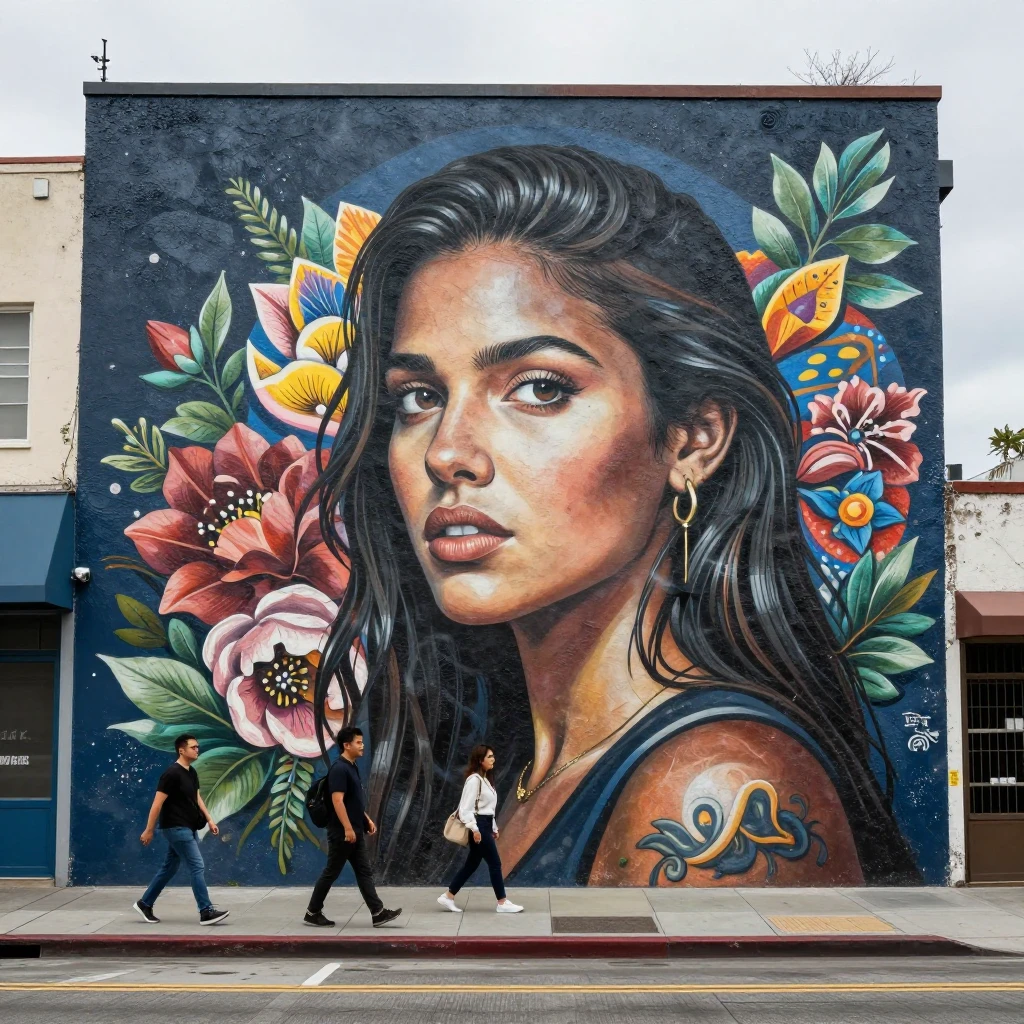
Los Angeles street art and murals appear in neighborhoods across the city, including the Arts District, Boyle Heights, and other parts of Downtown LA. Treat mural locations as changing public art, not guaranteed attractions, because works may be painted over, altered, or temporarily inaccessible.
The Arts District is a popular place to look for large-scale murals on building walls and industrial facades. You can also find public art and painted walls in other neighborhoods, but there is no single official route that captures the city’s full scene. Local mural projects and neighborhood organizations may share current information, and a recent map or guided walk can help you understand who made the work and what the area means to residents.
Use a few simple guidelines while exploring:
- Respect the setting. Many murals sit beside homes, businesses, or working studios. Keep entrances clear and avoid blocking sidewalks.
- Ask before photographing people or private property. A mural may be visible from the street, but that does not make an adjoining business or courtyard public.
- Do not touch or mark the artwork. Street art can be vulnerable to weather, maintenance, and tagging; preserve the work by leaving it as you found it.
- Check conditions before traveling. Construction, events, or changing access can affect a route, and an online image may no longer show the current wall.
For a more informed visit, learn the artist’s name when it is available and read about the neighborhood’s history. That context matters: murals can reflect local identity, community campaigns, and cultural memory, not simply provide a colorful backdrop.
Explore Art-Focused Neighborhoods
Downtown Los Angeles and the Arts District are useful starting points for combining museums, galleries, and public art, but they are separate areas with distinct character. In LA, plan around clusters rather than expecting every art stop to be within walking distance.
Downtown Los Angeles suits visitors interested in major institutions and historic city streets. The Broad and MOCA are close enough to pair in a museum-focused outing, while Gallery Row and other exhibition spaces provide a different scale of experience. Distances can still feel longer than a map suggests, especially in heat or when you are carrying a day bag, so check walking routes and transit options.
The Arts District offers a more open-ended mix of murals, creative businesses, restaurants, and occasional gallery visits. It works well for a slower afternoon, especially if you enjoy looking at buildings and public art between planned stops. Its boundaries are not a formal cultural circuit, however, and active businesses may not be open to casual visitors.
Other museum areas are better approached as separate outings. LACMA sits on Museum Row, while the Getty Center occupies a hilltop site in the Sepulveda Pass area. Trying to combine either with Downtown LA in a single day can mean spending more time in transit than in galleries. Choose a region first, then add one nearby stop if your schedule allows.
Plan a Practical Art Day in LA
To plan an art-focused day in Los Angeles, group stops by location, confirm current hours and admission rules, and leave generous time for travel. A realistic plan with two main visits often feels richer than a packed list of distant venues.
Start by choosing a theme: contemporary art, major collections, architecture, or murals. Then select one anchor venue and add one or two nearby stops. Before leaving, confirm each location’s opening hours, ticket policy, reservation requirements, exhibition dates, parking options, and transit connections on official venue pages.
Travel time deserves its own place in the itinerary. Traffic, parking, and transfers can make a cross-city trip unpredictable, so use a navigation app on the day and avoid booking tightly timed visits on opposite sides of town. If visiting several downtown sites, check which are walkable from one another and plan for breaks, water, and a meal.
- Morning: Visit one major museum while you have the most energy and time to explore.
- Midday: Take a break near your chosen area rather than crossing town just for lunch.
- Afternoon: Add a nearby gallery, a second museum, or a mural walk, depending on opening hours and weather.
- Before you go: Recheck tickets, temporary closures, and any event-related changes.
A useful planning rule is to count the door-to-door journey, not just the time inside each venue. A museum may take two or three hours to enjoy without rushing; a mural walk can take longer than expected if you stop to read, photograph, or explore nearby streets.
Match Your Route to Your Interests
The best LA art route depends on what you want to see: choose LACMA or the Getty for major collections, The Broad and MOCA for contemporary art, Gallery Row for smaller exhibitions, or the Arts District for murals and neighborhood exploration. Combining two interests works best when the stops are geographically close.
For a first visit: Pick one major museum and one nearby cultural stop. The Broad and MOCA make a natural downtown pairing, while LACMA can anchor a Museum Row day. The Getty Center is rewarding on its own, particularly if you want time for its grounds and views.
For contemporary art: Compare The Broad or MOCA with a confirmed exhibition at a Downtown LA gallery. Check exhibition dates before traveling, since smaller shows can change quickly.
For architecture and public art: Spend time at the Getty Center or LACMA, then plan a separate walk in the Arts District or another mural area. Keep the neighborhood visit flexible, and confirm that the artworks you hope to see remain accessible.
For limited time: Stay within one area. Two thoughtfully chosen stops, with enough time to look and a meal nearby, will usually beat a cross-city checklist. Los Angeles’s art scene is at its best when the visit leaves room for both intention and surprise.