The Ultimate Guide to Los Angeles Neighborhoods: Where to Live and Explore
Why Neighborhood Choice Defines Your LA Experience
Los Angeles is not a single city — it's a collection of dozens of distinct communities stitched together by freeways, each with its own personality, price point, and pace of life. Where you land in LA shapes nearly everything: your commute, your social scene, the restaurants you'll become a regular at, and whether you feel at home or perpetually out of place.
Most newcomers make the mistake of thinking about LA as a whole. Locals think in neighborhoods. A Silver Lake resident and a Brentwood resident technically live in the same city, but their daily lives barely overlap. One might bike to a coffee shop and catch a show at a DIY venue; the other might drive a Range Rover to a farmers market and end the day with a sunset hike in the Santa Monica Mountains.
The West Side vs. East Side distinction is the first geographic concept worth understanding. Broadly, the Westside runs toward the coast — think Santa Monica, Venice, Brentwood, and Malibu. The Eastside covers Silver Lake, Echo Park, Los Feliz, and Highland Park. Central LA sits in between, anchored by Koreatown, Mid-Wilshire, and Downtown. Then there's the San Fernando Valley, which most maps leave off but half a million Angelenos call home.
This guide covers all of it — with enough specificity to actually help you decide.
The Westside — Beaches, Wealth, and Laid-Back Luxury
The Westside is where LA's coastal lifestyle reaches its peak expression: wide bike paths, ocean breezes, and some of the city's highest rents. Santa Monica functions almost like a self-contained city, with a walkable downtown, the Third Street Promenade, and direct beach access. It's one of the few LA neighborhoods where you can realistically get around on foot or by bike.
Venice sits just south of Santa Monica and carries a deliberately different energy. The canals, the boardwalk, the murals on Abbot Kinney — Venice has always attracted artists, surfers, and tech workers in equal measure. It's looser, grittier, and more interesting than its neighbor, though gentrification has steadily raised the stakes.
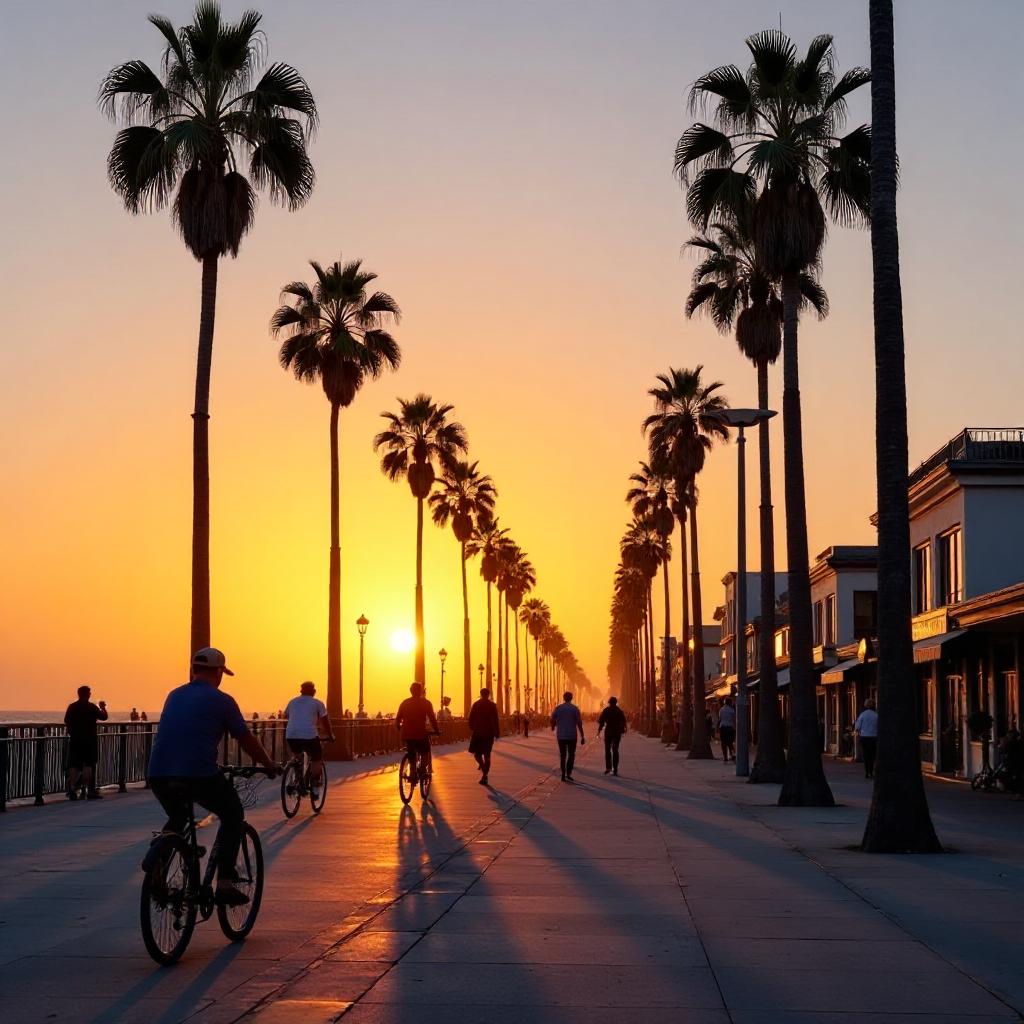
Brentwood and Pacific Palisades appeal to families and professionals who want space, good schools, and proximity to hiking trails like those in Topanga State Park. Malibu extends the coastal dream further north — more seclusion, more celebrity neighbors, and a price tag to match. A one-bedroom in Santa Monica averages significantly more than the city median, and that gap only widens as you move up the coast.
The trade-off for all this sunshine: the Westside is notoriously car-dependent for anything beyond the immediate neighborhood, and the Metro Rail coverage here is limited compared to central LA. Budget accordingly — both financially and in terms of commute time.
Central LA — Urban Energy, Diversity, and Culture
Central LA offers the densest, most walkable urban experience in the city, anchored by neighborhoods like Koreatown, Mid-Wilshire, and Downtown LA. For renters, young professionals, and anyone who wants to feel like they're living in an actual city rather than a suburb, this corridor delivers.
Koreatown is one of LA's most underrated neighborhoods for new arrivals. The density is real — apartment buildings, 24-hour restaurants, karaoke bars, and Korean BBQ spots packed into a relatively compact area. It's also one of the few neighborhoods with genuine Metro Rail access, making car-free living at least plausible. Rents here tend to run lower than the Westside while offering more urban amenity per square foot.
Downtown LA has transformed significantly over the past decade. The Arts District, with its converted warehouses and independent galleries, sits alongside the financial district and the historic Broadway corridor. It attracts a mix of creative professionals and corporate workers who want proximity to everything. The nightlife and dining scenes have matured considerably — Grand Central Market alone is worth the trip.
Mid-Wilshire connects these areas and provides a quieter residential alternative with access to the Miracle Mile's museums, including LACMA and the La Brea Tar Pits. For culture seekers, this stretch of Wilshire Boulevard punches well above its weight.
East LA and the Eastside — Creative, Eclectic, and Authentic
The Eastside is where LA's creative communities have concentrated for decades, and neighborhoods like Silver Lake, Echo Park, Los Feliz, and Highland Park remain the city's most culturally generative districts. These areas attract artists, musicians, chefs, and anyone who finds the Westside too polished and Downtown too corporate.
Silver Lake is the archetype: independent coffee shops, record stores, Thai restaurants, and a reservoir loop that doubles as the neighborhood's unofficial town square. Los Feliz, just north, shares the same DNA but feels slightly more settled — Victorian homes, the Greek Theatre, and Vermont Avenue's bookshops and bars.
Echo Park has faced significant change in recent years, but its position between Downtown and Silver Lake keeps it central to the conversation. Highland Park, further northeast along the Gold Line, has become the destination for those priced out of Silver Lake five years ago. York Boulevard now hosts the kind of restaurant and bar scene that Silver Lake had a decade back — still evolving, still affordable by Westside standards.
The honest caveat: the Eastside's outdoor lifestyle relies more on neighborhood parks and Griffith Park than on beaches. If ocean access matters to you daily, the 30-45 minute drive to the coast can feel like a real friction point.
The Valley — Space, Suburbs, and Surprising Character
The San Fernando Valley gets dismissed by people who've never actually spent time there, and that's their loss. For families, remote workers, and anyone who needs more square footage than a $3,000 studio provides, the Valley makes a compelling case.
Studio City and Sherman Oaks sit closest to the hills and offer a genuine neighborhood feel with good schools, tree-lined streets, and easy freeway access to the rest of the city. Burbank, technically its own city, is home to the entertainment industry's production infrastructure — Warner Bros., Disney, and NBC all have facilities there — and attracts industry workers who want a quieter life without leaving the ecosystem entirely.
North Hollywood's Arts District has quietly built a legitimate creative scene, and the NoHo Arts District stop on the Metro Red Line makes it one of the Valley's more transit-accessible pockets. Family-friendly amenities — parks, community centers, larger grocery stores — are more abundant here than in denser central neighborhoods.
The Valley runs hot in summer. Triple-digit temperatures in July and August are common, which is a genuine quality-of-life factor worth acknowledging before signing a lease.
How to Choose Your LA Neighborhood: A Practical Framework
Choosing the right LA neighborhood comes down to matching your lifestyle priorities against each area's actual strengths. A simple framework helps: rank your top three non-negotiables from the following factors, then cross-reference against the neighborhoods above.
- Commute and transit: If you're car-free or want to be, prioritize Koreatown, Downtown, or NoHo near Metro lines. The Westside and Valley require a car for most daily tasks.
- Budget: The Eastside and Valley offer the most value per square foot. The Westside commands a premium that often isn't justified by lifestyle gains unless beach access is genuinely central to your life.
- Outdoor access: Westside for beach culture; Los Feliz and Silver Lake for Griffith Park hiking; the Valley for suburban parks and proximity to the Angeles National Forest.
- Nightlife and dining: Downtown, Koreatown, and the Eastside win on density and variety. Santa Monica and Venice have strong scenes but at higher price points.
- School quality and family amenities: Brentwood, Pacific Palisades, Studio City, and Sherman Oaks consistently rank well for families, though private school enrollment is high across the city.
One underused filter: visit your shortlisted neighborhoods on a Tuesday morning and a Friday night. The gap between those two experiences tells you more about daily life than any ranking list.
Best Neighborhoods to Explore as a Visitor
For visitors, the most rewarding LA neighborhoods are the ones that reward walking and spontaneous discovery — which narrows the list considerably in a car-centric city. A few areas deliver this reliably.
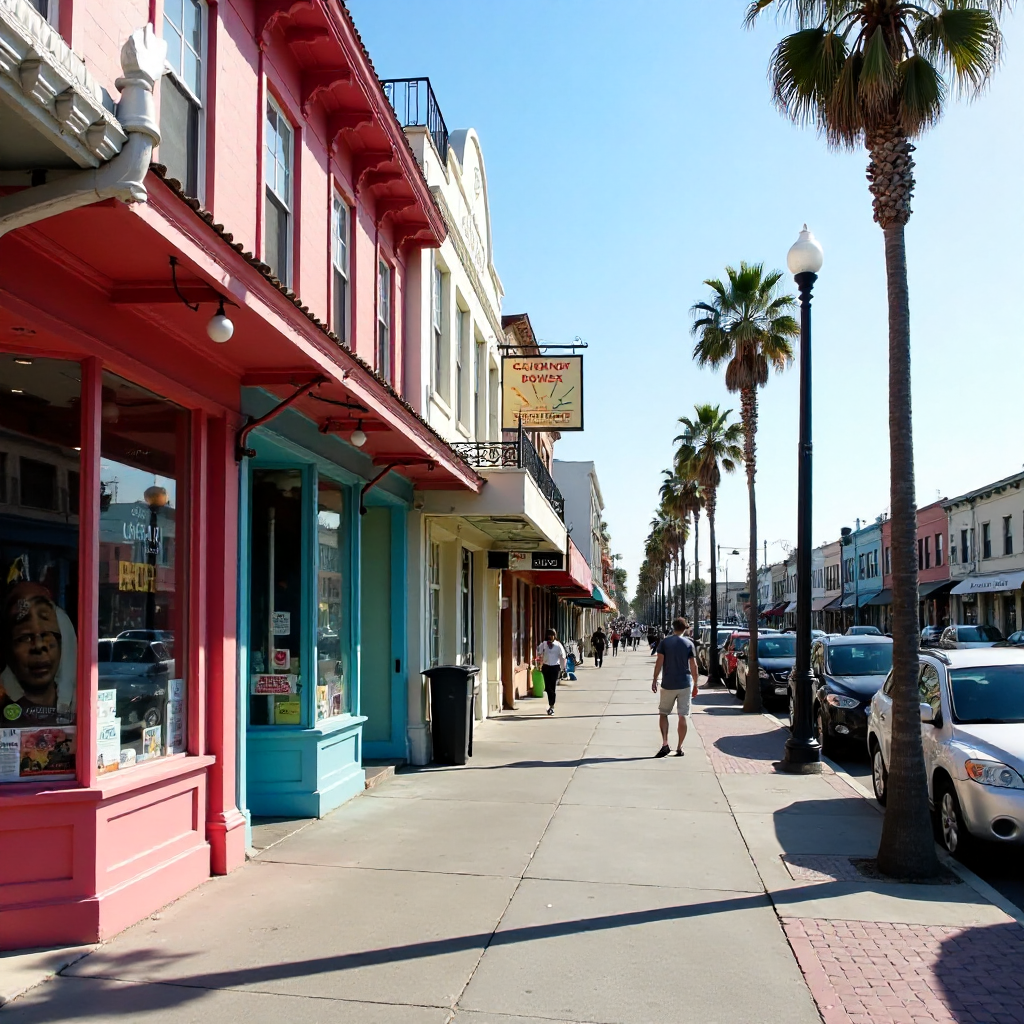
Venice and Abbot Kinney Boulevard offer the most visually compelling street-level experience: murals, the boardwalk, the canals, and one of the country's most photographed commercial strips. It's touristy in places, but genuinely worth it. Pair it with a morning at Santa Monica's Third Street Promenade and the pier for a full coastal day.
For a more local experience, spend a day on the Eastside. Start with coffee on Sunset Boulevard in Silver Lake, walk to the reservoir, then head to Los Feliz for lunch on Vermont Avenue. The area around Griffith Park — including the Observatory — is one of the city's great free attractions and gives you an elevated view of the basin that reorients your mental map of LA entirely.
Koreatown is essential for food-focused visitors. The density of excellent, affordable Korean restaurants is unmatched outside of Seoul, and the neighborhood's 24-hour culture means it's one of the few LA areas that stays genuinely alive past midnight.
Downtown's Arts District and Grand Central Market round out a visitor's LA education — the former for galleries and street art, the latter for a concentrated hit of the city's diverse food culture in a single historic building.
Frequently Asked Questions
What is the safest neighborhood in Los Angeles for families?
Brentwood, Pacific Palisades, and Studio City consistently rank among the most family-friendly areas, combining lower crime rates with access to good schools and parks. The Valley suburbs of Sherman Oaks and Calabasas are also popular choices for families prioritizing safety and space.
Which LA neighborhood is best for young professionals?
Koreatown and Silver Lake offer the best combination of affordability, social life, and central location for young professionals. Downtown LA works well for those in finance or tech who want a walkable urban core. The Eastside generally provides more value and community character than the Westside at comparable price points.
Is it possible to live in Los Angeles without a car?
Yes, but your neighborhood choice matters enormously. Koreatown, Downtown, and NoHo Arts District have the strongest Metro Rail connections. Santa Monica's bike infrastructure makes it manageable near the coast. Most of the Valley and Westside remain difficult to navigate car-free for daily errands and commuting.
What are the most affordable neighborhoods in LA right now?
Highland Park, Eagle Rock, and El Sereno on the Eastside offer relative value compared to Silver Lake and Los Feliz. In Central LA, Koreatown and parts of Mid-City run below the city median. The Valley — particularly North Hollywood, Van Nuys, and Reseda — offers the most square footage per dollar in the broader LA area.
Which neighborhoods are best for experiencing authentic LA culture?
Koreatown, Boyle Heights, Highland Park, and East LA offer the most genuinely diverse, community-rooted experiences. Silver Lake and Los Feliz capture LA's creative and counterculture history. For the beach-and-sunshine version of LA culture, Venice and Santa Monica remain the most iconic expressions of the coastal California identity.